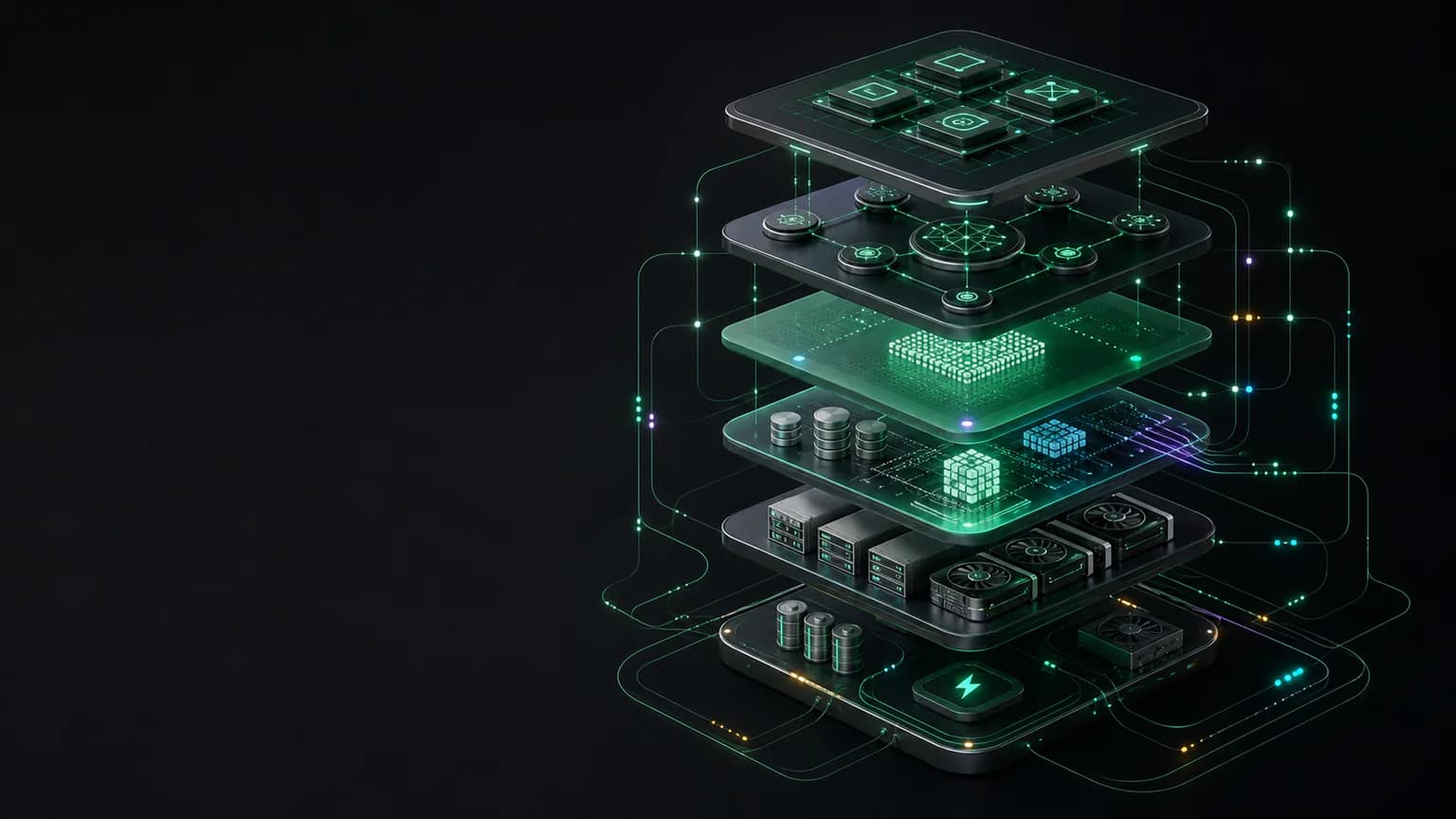
Executive Summary
Apache Kafka forms the backbone of global event-driven architectures. This 20-diagram interactive system breakdown deconstructs Kafka's storage layer and zero-copy network architecture across 5 specialized chapters:
1. Sequential Commit Log Append & Segment File Indexing (.log, .index, .timeindex)
Kafka partitions store event record batches in immutable log segment files (.log). To avoid high memory indexing overhead, Kafka maintains sparse offset indexes (.index) mapping logical offsets to physical file positions every 4KB, and timestamp indexes (.timeindex) for time-range filtering.
2. OS Page Cache & Linux sendfile() Zero-Copy Network Transport
Standard network file serving requires 4 context switches and 2 data copies between kernel space and user space. Kafka relies entirely on the OS Page Cache and executes the sendfile() system call, transferring log segment bytes directly from page cache memory to NIC network socket buffers without copying data into JVM heap memory.
3. Producer Batching & RecordAccumulator Memory Pool Management
Kafka Producers buffer incoming records in a lock-free RecordAccumulator organized into per-partition dequeues of ProducerBatch memory blocks. Once batch byte thresholds or linger.ms timeouts trigger, batches are compressed using Snappy/ZSTD algorithms and dispatched in parallel socket requests.
4. Consumer Group Coordinator & Incremental Cooperative Rebalancing
The GroupCoordinator manages consumer instance membership and partition assignment. Incremental Cooperative Rebalancing allows consumer instances to retain existing partition assignments during rebalance events, revoking and migrating only affected partitions incrementally without stopping global stream consumption.
5. KRaft (Kafka Raft) Metadata Synchronization & Quorum Leader Fencing
Modern Kafka clusters replace Zookeeper with KRaft, an internal Raft-backed quorum consensus controller. KRaft logs replicate metadata state machine updates across controller nodes, enforcing monotonic epoch fencing to isolate stale controllers during network partitions.
Continue Reading
All Blog PostsInside Agent Protocol: OpenAPI Control Plane, RFC 8610 CDDL Streaming & Thread Checkpoint Architecture
A production teardown of LangChain Agent Protocol (v0.1.6)—deconstructing the 5-router OpenAPI control plane, thread checkpoint branching, 9-channel RFC 8610 CDDL streaming, subgraph causation edges, and AST topological code generation.
Inside Autonomous Agentic Code Editor: AST Indexing, Diff Generation, and Sandbox Verification
A commit-pinned examination of autonomous agentic code refactoring architectures detailing tree-sitter AST symbol indexing, unified diff generation, and isolated sandbox execution loops.
Inside Apple MLX Framework & Unified Memory Engine
An evidence-audited, 20-diagram interactive system breakdown tracing Apple MLX framework Unified Memory Architecture (UMA) zero-copy CPU/GPU buffer sharing, C++ Metal lazy evaluation graph compilation, SIMD group quantized weight unpacking, FlashAttention fast kernels, and multi-Mac distributed array parallel execution.